Frequently Asked Questions
What are the benefits of custom hardwood floors?
The benefits of custom hardwood floors include personalized design options that perfectly match your home's aesthetic, superior quality craftsmanship tailored to your specifications, and enhanced durability that meets your lifestyle needs, ensuring a unique and lasting investment.
How long does unfinished hardwood installation take?
The duration of unfinished hardwood installation typically ranges from a few days to a week, depending on the size of the area and the complexity of the project. Factors like acclimation and finishing processes can also influence the timeline.
What is the cost of prefinished hardwood floors?
The cost of prefinished hardwood floors varies based on factors like wood species, quality, and installation complexity. Generally, prices range from $3 to $12 per square foot, excluding installation fees.
Can I install hardwood floors myself?
Installing hardwood floors yourself is possible, but it requires skill, the right tools, and knowledge of the installation process. For the best results and to ensure longevity, hiring a professional is often recommended.
What maintenance is required for hardwood floors?
The maintenance required for hardwood floors includes regular sweeping or vacuuming to remove dirt and debris, occasional damp mopping with a suitable cleaner, and periodic refinishing to restore their shine and protect the wood.
How do I choose the right hardwood type?
Choosing the right hardwood type involves considering factors such as your home's style, the room's traffic level, and your maintenance preferences. Popular options include oak for durability and maple for a lighter look.
What are the differences between unfinished and prefinished hardwood?
The differences between unfinished and prefinished hardwood are significant. Unfinished hardwood requires on-site sanding and finishing after installation, allowing for customization, while prefinished hardwood comes ready to install with a factory-applied finish, offering convenience and faster completion.
Is custom hardwood flooring worth the investment?
Custom hardwood flooring is a valuable investment due to its unique design, superior craftsmanship, and ability to enhance your home's aesthetic and value. Tailored options ensure a perfect fit for your space, making it worth the expense.
What styles of hardwood flooring are available?
The styles of hardwood flooring available include unfinished, pre-finished, engineered, and solid hardwood options. Each style offers unique aesthetics and benefits, allowing you to choose the perfect fit for your home's design and functionality.
How do I care for my hardwood floors?
Caring for your hardwood floors involves regular cleaning and maintenance. Sweep or vacuum frequently to remove dirt and debris, and use a damp mop with a pH-neutral cleaner to maintain shine without damaging the finish.
What is the best finish for hardwood floors?
The best finish for hardwood floors is typically a polyurethane finish, as it provides excellent durability and protection against scratches and moisture while enhancing the wood's natural beauty.
Can hardwood floors be installed over concrete?
Hardwood floors can indeed be installed over concrete. However, proper moisture barriers and underlayment are essential to ensure durability and prevent damage.
What are the environmental benefits of hardwood flooring?
The environmental benefits of hardwood flooring include its renewability, as it is sourced from sustainable forests, and its long lifespan, which reduces the need for frequent replacements. Additionally, hardwood floors can improve indoor air quality by not harboring allergens.
How do I prepare my home for installation?
Preparing your home for installation involves clearing the area of furniture and personal items, ensuring the subfloor is clean and dry, and providing access for our installation team. This helps facilitate a smooth and efficient installation process.
How do I find a reliable installer?
Finding a reliable installer involves researching local companies, reading customer reviews, and verifying their credentials. Look for experienced professionals who specialize in hardwood flooring and offer guarantees on their work to ensure quality and satisfaction.
What is the lifespan of hardwood flooring?
The lifespan of hardwood flooring typically ranges from 20 to 100 years, depending on the quality of the wood, installation, and maintenance. With proper care, hardwood floors can last a lifetime, making them a durable investment for your home.
How do I repair scratches on hardwood floors?
Repairing scratches on hardwood floors involves using a wood filler or a matching stain to blend the scratch with the surrounding area. For deeper scratches, sanding may be necessary before applying a finish to restore the floor's appearance.
What colors are trending for hardwood flooring?
Current trends in hardwood flooring colors include rich, warm tones like walnut and oak, as well as cooler shades such as gray and whitewashed finishes. These options enhance the natural beauty of wood while complementing modern interior designs.
Can hardwood floors be refinished multiple times?
Hardwood floors can be refinished multiple times, typically allowing for 3 to 5 refinishes throughout their lifespan. This process can restore their beauty and extend their durability, making it a worthwhile investment for maintaining your flooring.
What is the best way to clean hardwood floors?
The best way to clean hardwood floors is to regularly sweep or vacuum to remove dirt and debris, followed by mopping with a damp microfiber cloth and a pH-neutral cleaner specifically designed for hardwood.
How does humidity affect hardwood flooring?
Humidity significantly affects hardwood flooring. High humidity can cause wood to expand, leading to warping or buckling, while low humidity may result in shrinkage and gaps between planks. Maintaining stable humidity levels is essential for preserving the integrity of your hardwood floors.
What are the most popular hardwood species?
The most popular hardwood species include Oak, Maple, Cherry, and Hickory. These woods are favored for their durability, aesthetic appeal, and versatility in various design styles, making them ideal choices for residential flooring.
How do I choose between solid and engineered hardwood?
Choosing between solid and engineered hardwood depends on your specific needs and preferences. Solid hardwood offers durability and can be refinished multiple times, while engineered hardwood provides better moisture resistance and stability, ideal for fluctuating environments.
What is the installation process for hardwood floors?
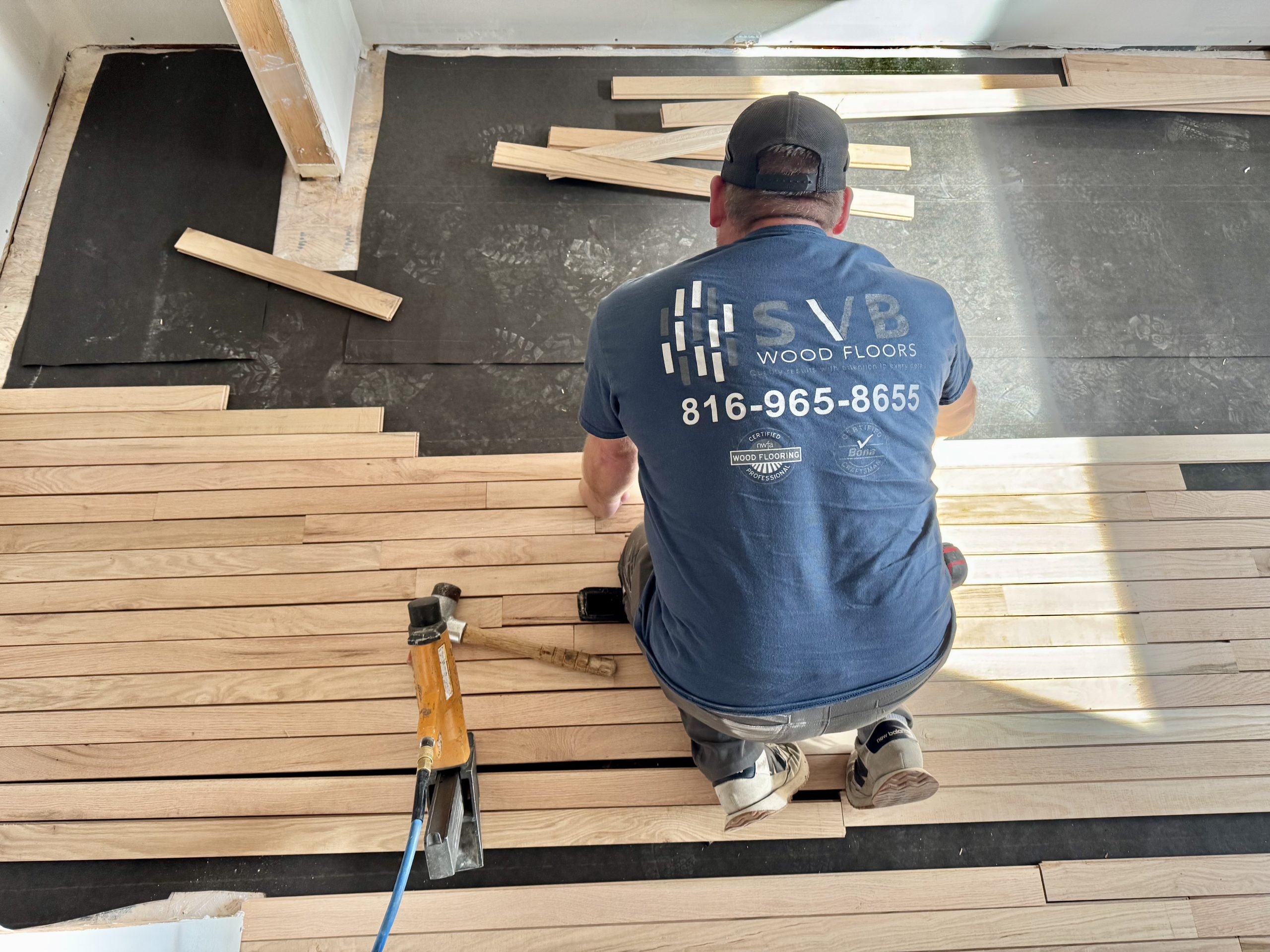
The installation process for hardwood floors involves several key steps: assessing the area, preparing the subfloor, acclimating the wood, laying the flooring, and finishing with trim and sealing. Each step ensures a durable and aesthetically pleasing result.
How can I enhance the durability of hardwood floors?
Enhancing the durability of hardwood floors involves regular maintenance, such as cleaning with a soft cloth, using protective pads under furniture, and applying a high-quality finish. Additionally, controlling humidity levels can prevent warping and prolong the life of your floors.
What are the signs of hardwood floor damage?
The signs of hardwood floor damage include visible scratches, dents, warping, discoloration, and creaking sounds. Additionally, water stains and gaps between planks can indicate underlying issues that require prompt attention.
How do I select the right installer for hardwood?
Selecting the right installer for hardwood involves researching their experience, checking customer reviews, and ensuring they are licensed and insured. Ask about their installation process and warranty to ensure quality craftsmanship.